Turn protein structure into faster discovery decisions.
Structure, docking, ADMET, PK/PD and safety in one research-grade workspace — taking your team from raw sequence to sourced evidence in minutes, not weeks.
Research use only. No sign-up required to explore the demo.
Wired into the data sources scientists already trust
Explore a real blood-cancer pipeline, instantly
Loading the demo programs…
Explore opens a read-only demo. Create editable sandbox spins up a private, throwaway copy you can edit and run analyses in (auto-expires in 24h). Research use only — not for clinical decision-making.
From sequence to sourced report in three steps
No installs, no pipelines to wire up. Load a target and start discovering.
Import your target & protein
Load a protein by UniProt ID, AlphaFold ID, or FASTA sequence and inspect it in 3D instantly.
Run the analyses
Docking, ADMET, PK/PD, response simulation and safety signals — run them side by side and rank candidates with calibrated confidence.
Generate an evidence report
Produce a restrained, research-use AI report with sources, assumptions and limitations, and share it with your team.
One workspace for every structure-based workflow
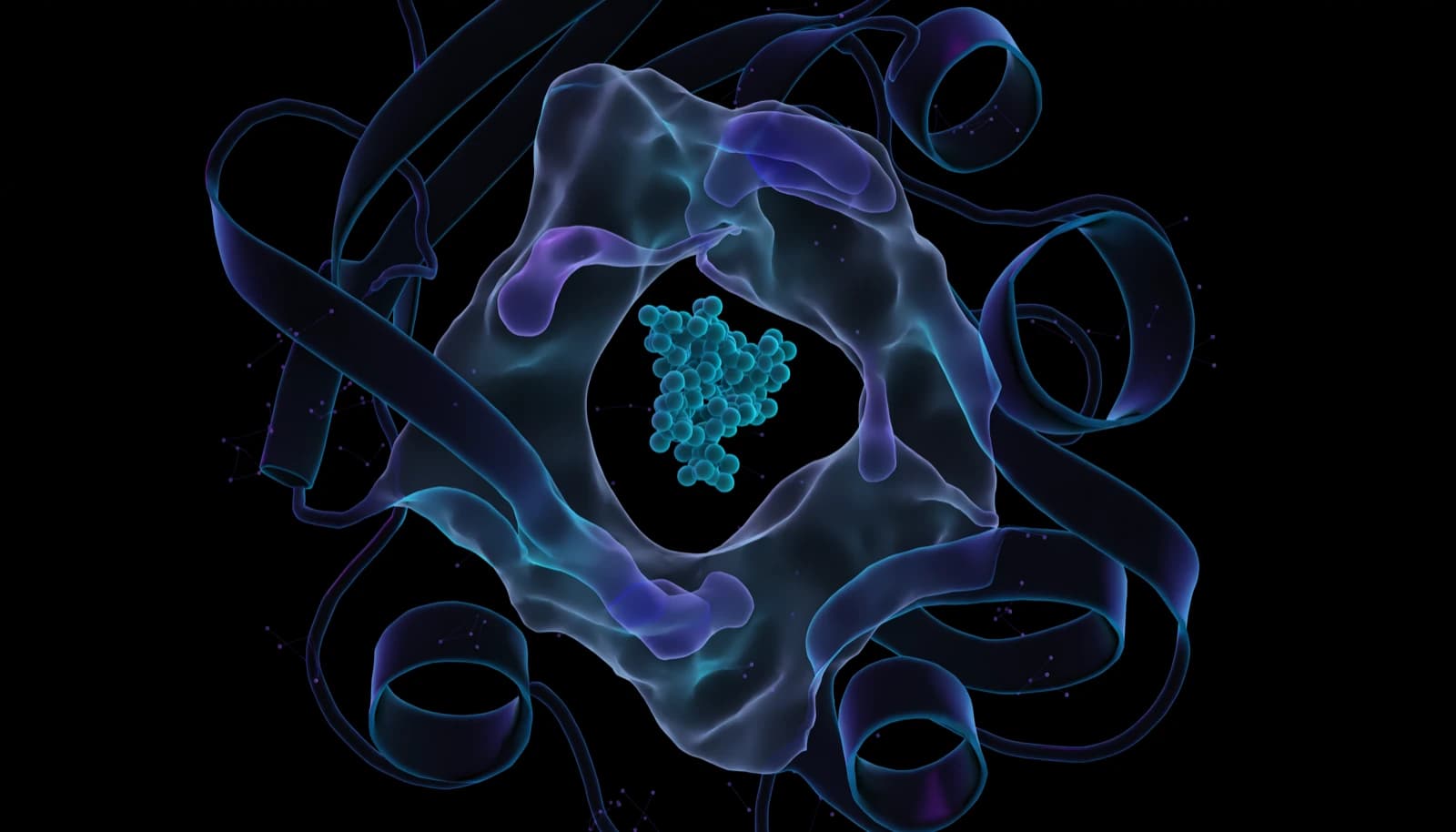
Rotate and zoom the 3D structure; colour by chain, ligand, binding pocket or pLDDT confidence, and hand a residue straight to docking.
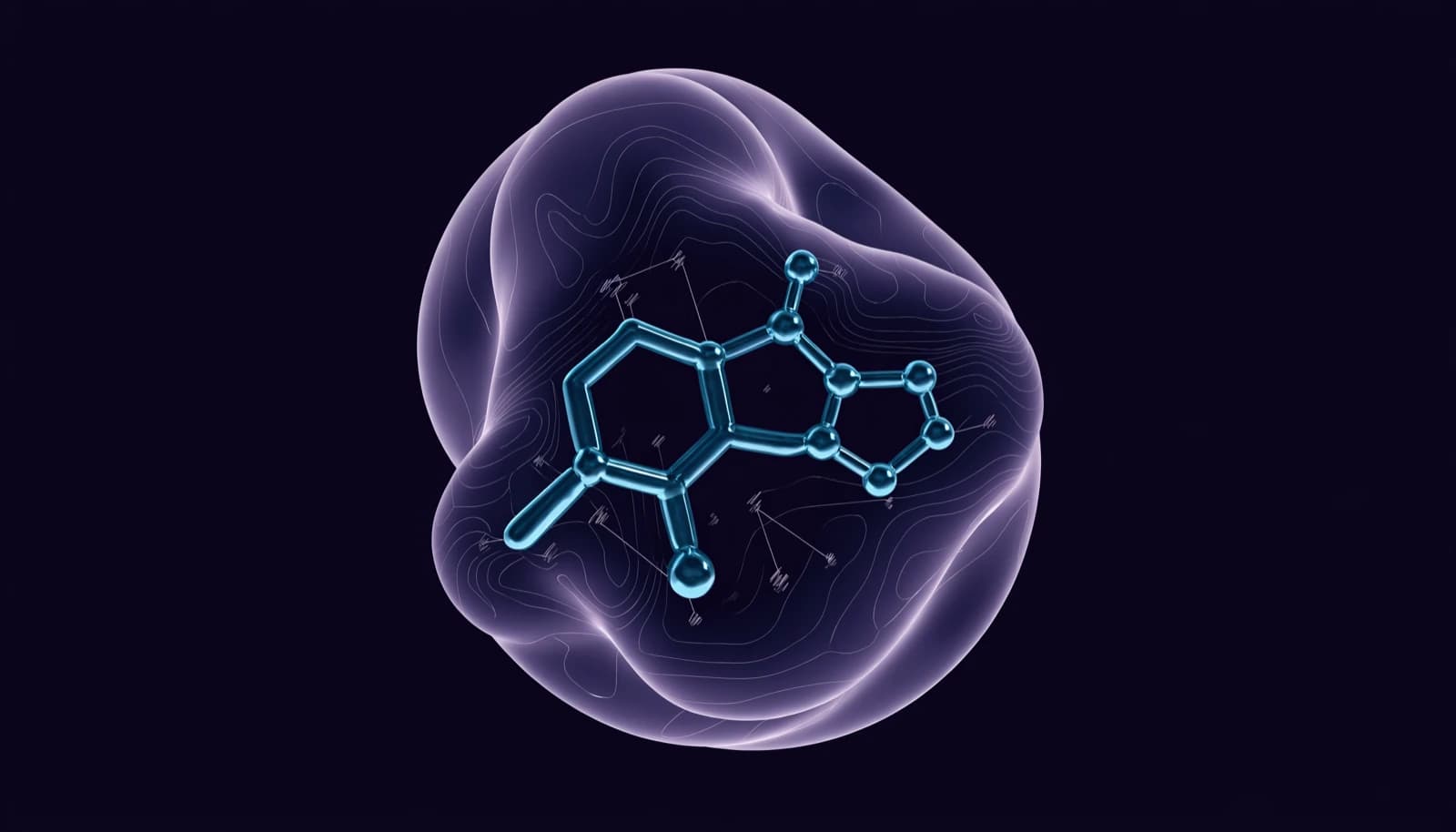
Configure grid boxes and parameters, dock ligand poses, and review interaction maps ranked by binding score and confidence.
Estimate absorption, metabolism, toxicity and drug-likeness risk as low / medium / high signals, with rule-based evidence (Lipinski, PAINS…).

Simulate concentration–time curves and compute exposure metrics (AUC, Cmax) to compare dosing scenarios.
Simulate computational response possibility across virtual cohorts with Emax/Hill models to explore a candidate’s response profile.
Aggregate openFDA FAERS adverse-event data to review safety signals for research interpretation.
Purpose-built for the entire drug-development journey
Target discovery to post-market — twelve stages in one coherent workspace, not generic project tooling.
Protein structure viewer
Inspect chains, ligands, pockets and domains in a dark WebGL workspace; send a residue straight to a docking grid.
Ligand docking lab
Configure grid boxes and parameters, rank poses, and review interaction maps with confidence scoring.
ADMET & safety risk
Estimate absorption, metabolism, toxicity and drug-likeness risk with calibrated low / medium / high signals.
PK/PD response simulation
Simulate concentration–time curves and computational response possibility across virtual cohorts.
AI research report
Generate evidence-backed, restrained research reports with sources, assumptions and limitations.
Connected data sources
UniProtKB, RCSB PDB, AlphaFold, ESM Atlas and Biohub Fold — synced on demand, cached selectively.
Trust isn't a feature — it's the foundation
Rigor, reproducibility and isolation come as standard.
Research use only
Every prediction-bearing screen carries the research-use disclaimer — never for clinical diagnosis, prescription, or treatment.
Reproducible evidence
Every result is tagged with its source, computation type and confidence, so findings can be verified — not taken on faith.
Multi-tenant isolation
Data is scoped per organization with role-based access control and audit logging on sensitive actions.